
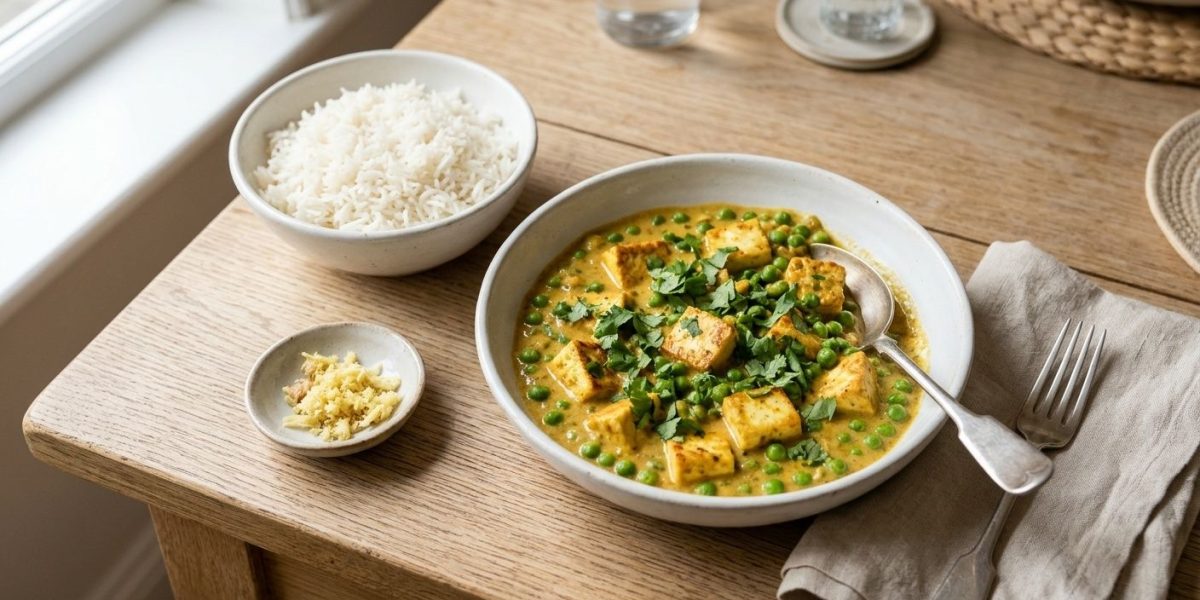
Low histamine vegetarian recipes have a protein problem that most recipe roundups skip over. The usual vegetarian protein sources are tofu, tempeh, beans, lentils, aged cheese, yogurt and nuts, and on a low histamine diet several of those are rated High and most of the rest need testing. That can leave vegetarian cooks relying on rice and vegetables, which fill you up for a while but are light on protein. This guide starts with the protein question, sorts the most common vegetarian proteins by our ratings, and then gives six filling recipes that use foods rated Low, with clear notes where an ingredient needs testing first.
All ratings here follow our histamine intolerance food list, which rates foods Low, Moderate (test) or High. If a food is not rated on our list, we say so and treat it as a test food.
The short version. The most reliable vegetarian proteins on a low histamine diet are well-cooked eggs, fresh soft cheeses (mozzarella, ricotta, paneer, cream cheese), fresh milk, peas, quinoa and seeds such as hemp, pumpkin and chia. Beans, lentils, chickpeas and plain tofu are Moderate (test). Tempeh, miso, soy sauce, aged cheese and yogurt are High. Vegans have fewer Low options, so planning matters more.
Why Vegetarian Eating Gets Harder on a Low Histamine Diet
Low histamine diets remove fermented foods, aged foods and a handful of vegetables. For someone who eats meat, plain fresh chicken or beef fills the protein gap. For a vegetarian, the gap is bigger, because so many vegetarian staples are fermented or aged by design.
- Fermented soy. Tempeh, miso, soy sauce and natto are fermented. Our list rates soy sauce, miso and tempeh High.
- Aged and ripened cheese. Cheddar, parmesan, gouda, blue cheese, brie and similar cheeses are rated High.
- Cultured dairy. Yogurt, kefir, buttermilk and sour cream are fermented and rated High.
- Some nuts. Walnuts, cashews and peanuts are avoided on our list.
- Tomato, spinach and aubergine. These vegetables are rated High, and they are the backbone of many vegetarian sauces, curries and bakes.
- Vinegar and yeast extract. Common in dressings, stock powders and savory spreads, and rated High.
The research behind this is uneven. A 2021 review in Nutrients, Low-Histamine Diets: Is the Exclusion of Foods Justified by Their Histamine Content?, found that fermented foods, including fermented soy products and cured cheese, were the foods most likely to reach high histamine levels, although many samples were low. The data it compiled showed no detectable histamine in eggs, soybeans or nuts, although it noted that soybeans and nuts contain other amines. In other words, the strongest case is against fermented foods, while ratings for soy, other beans and nuts rest more on reported tolerance than on measured histamine.
Protein needs vary with age, size, activity and health, so a dietitian is the best person to tell you how much you need. The recipes below are built so that every plate has a protein-rich food on it.
Vegetarian Protein Sources Rated
This table sorts the protein-rich foods vegetarians rely on most. Build your elimination phase around the Low group and bring in the Moderate (test) foods one at a time later.
| Protein source | Rating on our list | Notes |
|---|---|---|
| Whole eggs, well cooked | Low | Fine for many people when fully cooked |
| Fresh mozzarella, ricotta, mascarpone, cream cheese | Low | Fresh, unripened; eat soon after opening |
| Paneer | Low | Fresh cheese made without long ripening |
| Fresh milk | Low | Plain and fresh; lactose intolerance is separate |
| Peas and green beans | Low | Fresh or frozen |
| Quinoa, amaranth, buckwheat, millet | Low | Good gluten free bases |
| Hemp, pumpkin, chia and flax seeds | Low | Plain, unsalted |
| Egg white, raw or runny | Moderate (test) | Weak evidence; cook eggs through |
| Lentils, chickpeas, beans | Moderate (test) | Not high in histamine, but some beans are often poorly tolerated |
| Plain tofu | Moderate (test) | Not fermented; test after the elimination phase |
| Almonds and sunflower seeds | Moderate (test) | Test in small amounts |
| Feta, halloumi, cottage cheese | Moderate (test) | Rated as test cheeses in our dairy guide |
| Tempeh, miso, soy sauce | High | Fermented soy |
| Aged cheese, yogurt, kefir | High | Ripened or cultured dairy |
| Walnuts, cashews, peanuts | Avoid | Avoided on our list |
| Seitan, nutritional yeast | Not rated | Treat as test foods |
For more detail on the dairy group, see our guide to fresh dairy vs aged dairy. For nuts and seeds, including how to buy and store them, see nuts and mold contamination.
Eggs, the Vegetarian Workhorse
Whole eggs that are well cooked are rated Low on our list, with the note that they are fine for many people when fully cooked. The suspicion around eggs is narrower than many food lists suggest: it applies to raw or runny egg white, and the evidence even for that is weak. Our article on the egg white liberator claim traces where it came from, and the yolk is not a concern.
For vegetarians, that makes eggs the most useful single food on the list. Cook egg dishes such as frittatas and bakes to 160°F (71°C), the minimum on the FoodSafety.gov safe minimum internal temperatures chart, and choose firm scrambled eggs, omelets and hard-boiled eggs over soft-poached or runny ones while you are unsure. If you react to eggs, keep a note and talk to your doctor, since egg allergy is common and can be serious, and ask whether yolk-only dishes are worth trying.
Fresh Cheese, Not Aged Cheese
The cheese rule on a low histamine diet is about age, not fat or type of milk. Fresh, unripened cheeses such as mozzarella, ricotta, mascarpone, cream cheese and paneer are rated Low. Ripened and aged cheeses are rated High. In between, feta, halloumi and cottage cheese are rated Moderate (test) in our dairy guide.
Paneer deserves special mention. It is a firm fresh cheese that holds its shape when fried, which makes it the nearest thing to tofu that is rated Low. Buy it close to the date you will use it. Homemade paneer is curdled with an acid such as lemon juice or vinegar, and vinegar is rated High on our list, so shop-bought is the simpler choice. Ricotta and cream cheese, meanwhile, take the place of yogurt and sour cream in sauces and toppings. Eat fresh cheese soon after opening, since a tub left for a week in the fridge is no longer a fresh food.
Beans, Lentils and Tofu: The Test Group
Our list rates lentils, chickpeas and beans Moderate (test), with the note that they are not high in histamine but that some beans are often poorly tolerated. Plain tofu is also Moderate (test): it is not fermented, unlike tempeh and miso, and it is worth testing after the elimination phase.
For a vegetarian, these foods are too important to drop for good if you tolerate them. The aim is to find out which ones suit you.
- Start the elimination phase with peas, green beans, eggs, fresh cheese, quinoa and seeds.
- When your symptoms have settled, test one legume at a time, starting with a small portion in a meal you already tolerate.
- Canned beans and chickpeas are convenient. Choose cans with just the legume, water and salt, and rinse them well.
- If you cook dried kidney beans, soak them for at least five hours, discard the water and boil them hard in fresh water for at least 10 minutes (many food safety educators advise 30) before adding them to a slow cooker, which alone may not get hot enough. Raw or undercooked kidney beans contain a lectin that can cause severe vomiting.
- Freeze cooked legume dishes in portions on the day you make them rather than keeping them in the fridge.
Beans, lentils and chickpeas can also cause bloating and wind for reasons unrelated to histamine, especially in people with irritable bowel symptoms. A reaction to beans is not proof of a histamine problem, which is one more reason to keep notes.
Grains and Seeds That Add Protein
Quinoa, amaranth, buckwheat and millet are all rated Low, and quinoa and amaranth are often chosen by vegetarians for their protein. Hemp, pumpkin, chia and flax seeds are rated Low as plain, unsalted seeds. A handful of toasted pumpkin seeds or a spoon of hemp seeds turns a plain bowl into something more filling.
Our guide to low histamine grains covers cooking and storing grains in detail, including why leftover rice and quinoa belong in the freezer. Almonds and sunflower seeds are Moderate (test), and walnuts, cashews and peanuts are avoided.
Recipe 1: Paneer and Pea Curry Without Tomato
Many curries start with tomato, but a creamy, golden curry can be built on onion, ginger and fresh cheese instead.
Serves 4. Ingredients: 14 ounces (400 g) fresh paneer, cut into cubes; 3 tablespoons olive oil or butter; 2 onions, finely chopped; 4 cloves garlic, grated; a thumb-sized piece of fresh ginger, grated; 1 teaspoon ground turmeric; salt and black pepper; 2 cups (300 g) frozen peas; 1 cup (240 ml) fresh milk or plain coconut milk; 4 tablespoons (60 g) cream cheese; a large handful of fresh coriander. After testing: 1 teaspoon ground cumin and a pinch of mild chili.
Method: Fry the paneer cubes in half the oil until golden on a few sides, then set aside. Add the rest of the oil and cook the onions slowly for 12 to 15 minutes until soft and sweet. Stir in the garlic, ginger and turmeric for a minute. Add the milk and a splash of water, bring to a gentle simmer, then add the peas and paneer and cook for 5 minutes. Stir in the cream cheese until smooth, season with salt and pepper, and finish with coriander. Serve with freshly cooked rice.
Turmeric, fresh ginger, onion and garlic are rated Low on our list. Curry powder is a blend and needs testing, so this recipe builds the flavor from single spices instead.
Recipe 2: Roasted Squash and Quinoa Bowl With Pumpkin Seed Dressing
A bowl that works hot for dinner or packed cold for lunch. Keep it chilled, do not leave it at room temperature for more than two hours, and eat it the day it is made.
Serves 2. Ingredients: half a medium butternut squash, peeled and cubed; 1 red bell pepper, sliced; 2 tablespoons olive oil; salt; 1/2 cup (85 g) quinoa, rinsed; 1 cup (150 g) green beans, trimmed; 1 ball fresh mozzarella, torn. For the dressing: 3 tablespoons pumpkin seeds, a handful of fresh parsley, 1 small clove garlic, 4 tablespoons olive oil, salt and a little water.
Method: Roast the squash and pepper with the oil and salt at 400°F (200°C) for 25 to 30 minutes. Simmer the quinoa in 1 cup (240 ml) water for about 15 minutes until absorbed, steaming the green beans over the pot for the last 5 minutes. Toast the pumpkin seeds in a dry pan, then blend them with the parsley, garlic, oil, salt and enough water to make a pourable dressing. Pile the quinoa, vegetables and mozzarella into bowls and spoon over the dressing.
Recipe 3: Ricotta, Zucchini and Herb Baked Pasta
A creamy baked pasta with no tomato sauce and no aged cheese, which makes it a good make-and-freeze dinner.
Serves 4. Ingredients: 12 ounces (340 g) dried pasta such as penne; 2 medium zucchini, grated; 1 onion, finely chopped; 2 cloves garlic, chopped; 2 tablespoons olive oil; 1 1/2 cups (370 g) fresh ricotta; 1 egg; a large handful of fresh basil and parsley, chopped; salt and black pepper; 1 ball fresh mozzarella, torn.
Method: Cook the pasta until just short of tender and drain. Soften the onion and garlic in the oil, add the grated zucchini and cook until most of the liquid has evaporated. In a bowl, mix the ricotta, egg, herbs and seasoning, then fold in the vegetables and pasta. Spread in a baking dish, top with mozzarella and bake at 375°F (190°C) for 20 to 25 minutes until bubbling and set, and until the center reaches 165°F (74°C), the temperature FoodSafety.gov gives for casseroles. Portion and freeze any leftovers the same day. Our low histamine pasta recipes have more sauces without tomato.
Recipe 4: Pea, Herb and Egg Frittata
A quick, protein-rich meal built on eggs, peas and ricotta, ready in 25 minutes.
Serves 2 to 3. Ingredients: 6 eggs; 3 tablespoons fresh milk; 1 cup (150 g) frozen peas, thawed; 1 small zucchini, sliced thinly; 2 spring onions, sliced; a handful of fresh parsley and basil; 3 tablespoons ricotta; 1 tablespoon olive oil or butter; salt and black pepper.
Method: Heat the oven to 375°F (190°C). Soften the zucchini and spring onions in the oil in an ovenproof pan for 5 minutes. Beat the eggs with the milk, herbs, salt and pepper, add the peas, and pour into the pan. Dot with spoonfuls of ricotta. Cook on the stove for 3 to 4 minutes until the edges set, then transfer to the oven for 10 to 12 minutes until the center is firm and reaches 160°F (71°C). Serve with a green salad dressed with olive oil and salt.
Recipe 5: Egg Fried Rice Without Soy Sauce
Fried rice usually relies on day-old rice and soy sauce, both of which are problems here. This version uses freshly cooked rice and gets its savory flavor from garlic, ginger and spring onion.
Serves 2. Ingredients: 3/4 cup (150 g) jasmine or long-grain rice; 2 tablespoons olive oil; 2 cloves garlic, chopped; a small piece of fresh ginger, grated; 1 carrot, finely diced; 1 cup (150 g) frozen peas; 1 small red bell pepper, diced; 3 eggs, beaten; 4 spring onions, sliced; salt and black pepper; fresh coriander.
Method: Cook the rice, then spread it on a tray for 10 to 15 minutes to steam off and dry slightly. Heat the oil in a wok or large pan, stir-fry the carrot and pepper for 3 minutes, then add the garlic, ginger and peas for 1 minute. Push everything to the side, pour in the eggs and scramble until fully set. Add the rice and toss over high heat for 3 to 4 minutes until hot. Season with salt and pepper and finish with spring onion and coriander. Soy sauce and coconut aminos are both fermented and rated High on our list, so a generous pinch of salt does their job here.
Recipe 6: Chickpea and Sweet Potato Stew (After Testing)
This one is for later, once you have tested chickpeas and know they suit you. It is a hearty, plant-based stew that freezes well.
Serves 4. Ingredients: 2 tablespoons olive oil; 1 onion, chopped; 3 cloves garlic; a piece of fresh ginger, grated; 1 teaspoon turmeric; 2 medium sweet potatoes, peeled and cubed; 2 carrots, sliced; 1 can chickpeas, drained and rinsed; 1 cup (240 ml) plain coconut milk; 2 cups (480 ml) water; 2 large handfuls of kale, shredded; salt and black pepper; fresh coriander.
Method: Soften the onion, garlic and ginger in the oil, add the turmeric, then the sweet potato, carrot, chickpeas, coconut milk and water. Simmer for 20 to 25 minutes until the sweet potato is soft. Stir in the kale for the last 5 minutes and season. Serve with rice or quinoa, and freeze leftovers in portions the same day. Kale and sweet potato are rated Low, and plain plant milks such as coconut milk are rated Low; check the label for added ingredients. Our low histamine slow cooker recipes include more legume dishes for when you have tested them, and a tomato-free low histamine chili with a quinoa version that needs no beans.
Building a Vegetarian Plate That Keeps You Full
The simplest way to avoid the rice-and-vegetables trap is to put a protein on every plate. A practical template is one protein from the Low group, one grain or starchy vegetable, and two vegetables, finished with olive oil and fresh herbs.
- Breakfast: scrambled eggs with herbs and rice cakes, or porridge made with fresh milk and topped with hemp seeds and blueberries. More ideas are in our low histamine breakfast ideas.
- Lunch: a quinoa bowl with fresh mozzarella and roasted vegetables, or a frittata wedge with salad. Our low histamine lunch ideas show how to pack them.
- Dinner: paneer curry with rice, or baked ricotta pasta with greens.
- Snacks: pear or apple slices with a spoon of ricotta, a hard-boiled egg, or toasted pumpkin seeds.
Flavor matters too, since many vegetarian dishes rely on tomato, vinegar, cheese and soy for depth. Our low histamine sauces and condiments guide covers swaps for ketchup, mayonnaise and dressings.
Notes for Vegans
A vegan low histamine diet is possible, but it is harder, because eggs, fresh cheese and milk carry so much of the protein load for vegetarians. The Low group for vegans comes down to peas and green beans, quinoa and other pseudocereals, and hemp, pumpkin, chia and flax seeds. Legumes and plain tofu are Moderate (test), so testing them early in reintroduction matters more for vegans than for anyone else.
Vitamin B12 is the other key issue. The NIH Office of Dietary Supplements vitamin B12 fact sheet explains that only animal foods contain B12 naturally, that eggs and dairy are sources, and that people who eat little or no animal food, including vegetarians and vegans, may not get enough. Some fortified foods contain it. Restricting your diet further for histamine can make this gap bigger, so talk to your doctor or a dietitian about B12 if you are vegan or eat few eggs and little dairy, and ask before starting any supplement.
Storage Habits for Vegetarian Cooking
Plant foods are not immune to the storage problem. Our list notes that histamine forms when bacteria break down the amino acid histidine, so it builds up as food ages, even in the fridge. Cooked legume dishes, grain salads and soft cheese are common examples of vegetarian foods that get kept too long.
- Cook what you will eat, and freeze the rest in portions on the same day.
- Cool cooked rice and quinoa quickly, spread on a tray, before freezing.
- Buy fresh cheese close to when you will use it and, as a precaution, finish an opened tub quickly, ideally within a day or two.
- Reheat frozen portions once, until steaming hot all the way through (165°F or 74°C).
Our low histamine meal prep guide explains the full freeze-first routine.
When to See a Doctor
A low histamine diet manages symptoms; it does not diagnose them. Talk to your doctor if you have frequent flushing, hives, headaches, digestive symptoms or palpitations after meals, because food allergy, coeliac disease and other conditions can look similar. A vegetarian diet that becomes very restricted can leave you short of protein, iron and vitamin B12, so involve a dietitian if you are cutting out many foods, losing weight without trying, pregnant, or planning meals for a child.
Swelling of the lips, tongue or throat, difficulty breathing or swallowing, wheezing, or feeling faint after eating can be signs of anaphylaxis. Call emergency services immediately. If you have been prescribed adrenaline (epinephrine), use it first. Antihistamines are not a substitute.
Common questions about vegetarian low histamine eating
What can vegetarians eat for protein on a low histamine diet?
On our food list, well-cooked whole eggs, fresh mozzarella, ricotta, cream cheese, paneer, fresh milk, peas, quinoa and plain hemp, pumpkin, chia and flax seeds are rated Low. Beans, lentils, chickpeas and plain tofu are Moderate (test), so bring them in one at a time after the elimination phase.
Is tofu low histamine?
Plain tofu is rated Moderate (test) on our food list. It is not fermented, unlike tempeh, miso and soy sauce, which are rated High. Test plain tofu in a small portion once your symptoms have settled on the Low foods.
Are lentils and chickpeas OK on a low histamine diet?
Lentils, chickpeas and beans are rated Moderate (test). They are not high in histamine, but some people tolerate them poorly, and they can cause bloating for other reasons. Start with peas and green beans, which are rated Low, and test one legume at a time.
Which cheeses can vegetarians eat on a low histamine diet?
Fresh, unripened cheeses such as mozzarella, ricotta, mascarpone, cream cheese and paneer are rated Low on our list. Feta, halloumi and cottage cheese are Moderate (test), and aged or ripened cheeses such as cheddar and parmesan are rated High.
Can you follow a vegan low histamine diet?
Yes, but it takes more planning. The vegan foods rated Low are mainly peas, green beans, quinoa and plain seeds, while legumes and tofu need testing. Vitamin B12 is found naturally only in animal foods, so vegans should talk to a doctor or dietitian about B12.
Medical disclaimer: This content is for informational purposes only and does not constitute medical advice. Always consult a qualified healthcare provider before starting any supplement regimen.
→ Build your meal with the Low Histamine Meal Builder — instant histamine scoring as you select ingredients.