
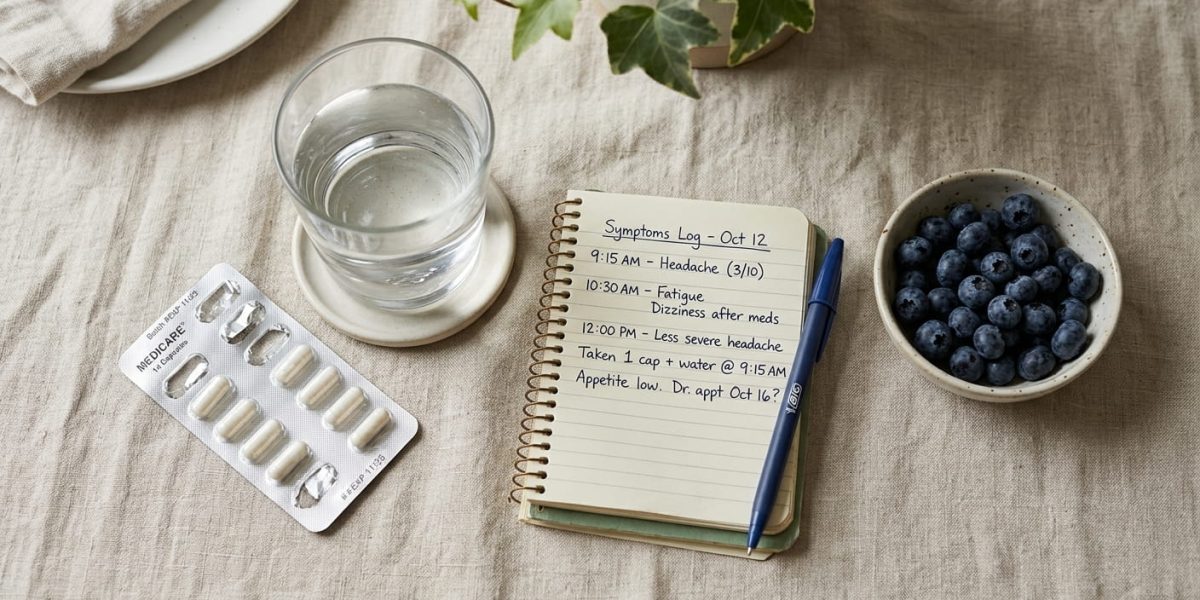
You took a course of antibiotics for a urinary tract infection, a sinus infection or a gut bug. The infection cleared, but within days or weeks something new started. Wine gave you a pounding headache. Tomatoes made your face flush. You began waking at 3 a.m. with a racing heart, itching for no reason, or reacting to foods you had eaten for years. Developing histamine intolerance after antibiotics is a story that comes up again and again in gut health communities, and while research on this exact sequence is still limited, the pieces that explain it are reasonably well understood.
This guide explains the four most likely mechanisms, why some people are hit harder than others, what a realistic recovery timeline looks like, and which steps are sensible while your gut settles. It does not replace advice from your own doctor, especially if you had a serious reaction.
First, rule out an emergency. Hives together with swelling of the lips, tongue or throat, difficulty breathing, wheezing, dizziness or fainting during or after an antibiotic course can be a true drug allergy or anaphylaxis. Use adrenaline (epinephrine) if you have it and call emergency services; antihistamines are not a substitute. Severe or bloody diarrhea after antibiotics also needs prompt assessment, because it can signal a Clostridioides difficile infection.
The Pattern People Describe
The stories share a recognizable shape. Someone who previously tolerated a normal diet takes one or more antibiotic courses, sometimes several in a row for a stubborn infection. Digestive symptoms appear first for many people: bloating, belching, loose stools or constipation. Then come the reactions that point toward histamine:
- Flushing, itching or hives after certain meals
- Headaches, especially after wine, aged cheese or leftovers
- Palpitations and a surge of adrenaline at night
- Insomnia and anxiety that feel physical rather than emotional
- Nasal congestion or a runny nose after eating
- Dizziness and blood sugar swings
Some people also react to medicines they had taken many times before without trouble. Others find that probiotics which used to help them now make symptoms worse. Commonly mentioned drugs include amoxicillin with clavulanate, nitrofurantoin, metronidazole, fluoroquinolones such as levofloxacin, doxycycline, and the gut-targeted antibiotic rifaximin. That list reflects what people talk about online, not a ranking of risk.
If this sounds like you, it can help to know that the full list of histamine intolerance symptoms is broad and often confusing, because histamine acts on the skin, gut, heart, brain and blood vessels all at once.
Mechanism One, A Shift Toward Histamine-Producing Bacteria
Your gut bacteria do not just sit there. Some species carry an enzyme called histidine decarboxylase, which converts the amino acid histidine from food protein into histamine. Others help keep the gut lining healthy and the immune system calm, largely by producing short-chain fatty acids such as butyrate.
Antibiotics do not distinguish between helpful and unhelpful bacteria. A course of broad-spectrum antibiotics can sharply reduce many species at once. When the community rebuilds, it does not always return to its previous balance. Hardy, opportunistic bacteria can expand into the space left behind.
A small 2022 study from the University of Barcelona compared the gut bacteria of people with histamine intolerance to healthy controls. The researchers reported in Intestinal Dysbiosis in Patients with Histamine Intolerance that the histamine intolerance group had lower levels of beneficial butyrate producers such as Faecalibacterium prausnitzii and higher levels of several bacteria able to produce histamine, including Staphylococcus, Proteus, Clostridium perfringens and Enterococcus faecalis. The study was small and did not look at antibiotic history, but the pattern it describes is exactly what a post-antibiotic gut can look like.
We explain how these bacteria make histamine, and what you can do to shift the balance, in our guide on how to reduce histamine producing bacteria.
Mechanism Two, Some Antibiotics Directly Block DAO
Diamine oxidase, or DAO, is the main enzyme that breaks down histamine from food in your intestines. It is produced by cells lining the small intestine and released into the gut to clear histamine before it reaches the bloodstream.
A number of medicines can inhibit DAO activity. In their review Histamine Intolerance: The Current State of the Art, Comas-Basté and colleagues note that clavulanic acid, the beta-lactamase inhibitor combined with amoxicillin in drugs sold as Augmentin and similar brands, shows significant DAO inhibition. Other DAO-inhibiting drugs mentioned in the literature include the anti-tuberculosis antibiotic isoniazid and several non-antibiotic medicines such as verapamil and metoclopramide.
For someone whose DAO activity was already borderline, a course of amoxicillin-clavulanate could be enough to tip food histamine from tolerated to symptomatic. Unlike microbiome changes, this direct effect should fade once the drug is cleared. If your symptoms started during the course and eased within a week or two of finishing, this mechanism may have been the main one. Our list of medications that block dao covers the most common culprits.
Mechanism Three, Irritation of the Gut Lining
DAO is made by the mature cells at the tips of the small intestinal villi. Anything that damages or inflames that lining can reduce DAO production. The same review describes how inflammatory bowel conditions, gastroenteritis and other disorders that affect mucosal integrity are associated with lower DAO activity, with more damage meaning lower activity.
Antibiotics can contribute to gut lining irritation in several ways. Antibiotic-associated diarrhea speeds up transit and irritates the mucosa. Changes in bacterial fermentation reduce butyrate, which is the main fuel for colon cells. In some people, antibiotics allow Clostridioides difficile to flourish, causing significant inflammation. And the infection that required antibiotics in the first place, such as gastroenteritis, may already have injured the lining.
The encouraging part is that the intestinal lining renews itself constantly. Once the irritation stops, DAO production can recover. This is one reason many people find their histamine tolerance improves over months.
Mechanism Four, An Immune System Already on High Alert
The infection itself matters. Infections activate mast cells and the wider immune system. A severe illness, high fever or a run of repeated infections can leave the immune system more reactive for some time afterward. In susceptible people, this may unmask a tendency toward mast cell activation that had been sitting quietly in the background.
There is also a medication cocktail effect. Antibiotics are often prescribed alongside other drugs. Acid-reducing proton pump inhibitors, for example, change stomach acidity and gut bacteria, and are a recognized risk factor for small intestinal bacterial overgrowth. Some people also take supplements such as D-mannose for urinary infections, which can cause gas and bloating in sensitive guts. When symptoms appear, it can be hard to know which change caused what.
If your reactions extend far beyond food, with flushing, hives, wheezing or reactions to smells, heat and stress, the picture may fit mast cell activation more than simple histamine intolerance. Our comparison of histamine intolerance vs mcas explains the difference.
Why Some People Are Hit Harder Than Others
Millions of people take antibiotics every year without developing histamine problems. Several factors seem to raise the odds:
- Repeated or prolonged courses. Several courses close together give the microbiome less time to recover between disruptions.
- Broad-spectrum drugs. Antibiotics that hit a wide range of bacteria have a bigger impact on the overall community.
- Pre-existing low DAO. Genetic variants in the DAO gene, gut conditions, alcohol use and some medications can lower baseline DAO. Our article on dao gene mutation histamine intolerance covers the genetic side.
- Hormonal factors. Estrogen interacts with histamine, which may help explain why many people reporting this pattern are women.
- Stress and poor sleep. Both increase mast cell reactivity, and both are common during and after an illness.
- Existing gut problems. People with irritable bowel syndrome, previous SIBO or slow motility may have less resilience.
How Long Recovery Usually Takes
There is no reliable timetable, and anyone who promises one is guessing. What research on the microbiome does show is that recovery is real but uneven. A frequently cited study by Dethlefsen and Relman, published in PNAS in 2011, followed healthy adults through two courses of ciprofloxacin. Most of the gut community bounced back within weeks, but recovery was incomplete in some people, and the response was highly individual.
Translating that into practical expectations:
- If DAO inhibition by the drug itself was the main issue, improvement is often noticeable within days to a couple of weeks after the course ends.
- If gut lining irritation was involved, gradual improvement over several weeks to a few months is common as the lining renews.
- If the microbiome shifted significantly, recovery can take months and benefits from active support through diet.
- If the antibiotic course unmasked a broader mast cell problem, symptoms may persist and deserve a proper medical evaluation.
Many people do recover their tolerance. Our article on whether you can histamine intolerance be cured looks at what improvement typically looks like when the underlying driver is addressed.
What Helps While Your Gut Recovers
The aim is to reduce your total histamine load while the system settles, and to support the conditions that let your gut rebuild itself. None of this needs to be extreme.
Lower dietary histamine for a few weeks. A short low histamine phase removes the biggest sources, such as aged cheese, cured meats, wine and beer, fermented foods, canned and smoked fish, and leftovers kept for days. This often brings quick relief and helps you separate histamine reactions from other gut symptoms. Our high histamine foods list shows where to start.
Consider short-term symptom support. Many people use a non-sedating H1 antihistamine, and some add an H2 blocker for gut symptoms, to break the cycle while things heal. A DAO supplement taken before meals can help with food histamine. Discuss these with your doctor or pharmacist, particularly if you take other medications.
Feed the bacteria you want back. Butyrate-producing bacteria rely on fiber that reaches the colon. Gradually increasing a variety of plant foods you tolerate, such as oats, cooked and cooled potatoes or rice, flaxseed, fresh vegetables and blueberries, helps rebuild a more diverse community. Go slowly, because a damaged gut often reacts to large fiber increases with gas and bloating.
Be cautious with probiotics. Probiotics are not automatically safe for histamine. Some strains produce histamine, and some people who did well on a probiotic before antibiotics react to the same product afterward. If you try one, choose strains generally considered histamine neutral or degrading, start with a tiny dose and increase slowly. Our guide to the best probiotics for histamine intolerance 2026 lists which strains tend to be better tolerated.
Protect your sleep and calm your nervous system. Night-time palpitations and insomnia are common after antibiotic-triggered flares. A consistent wind-down routine, avoiding late heavy meals and managing stress can reduce mast cell reactivity more than people expect.
Things That Can Make It Worse
When you feel desperate, it is tempting to throw everything at the problem. A few common moves backfire surprisingly often:
- Stacking many new supplements at once. Each one is a potential trigger, and you lose the ability to tell what helps. Add one thing at a time and give it at least a week.
- Aggressive antimicrobial protocols without testing. Herbal antimicrobials can irritate an already sensitive gut, and some people react strongly to them. Use them only with a clear reason and professional guidance.
- Staying on a very restricted diet for months. Diversity is what a recovering microbiome needs. A strict diet is useful as a short phase, not a long-term plan.
- High-dose methylated B vitamins on top of everything else. Some sensitive people report feeling wired or unwell on these. If a supplement makes you feel worse, stop it and tell your practitioner.
When a Stool Test or SIBO Test Makes Sense
If symptoms persist beyond a few months, or digestive problems are severe, testing can help guide treatment. A breath test can identify small intestinal bacterial overgrowth, which commonly overlaps with histamine symptoms. Our article on sibo histamine intolerance explains that connection.
Comprehensive stool tests can show broad changes in the microbiome and flag bacteria known to produce histamine. They are useful for spotting large imbalances, but they have real limitations, and a result showing a particular bacterium does not automatically mean it is causing your symptoms. Always interpret results with a clinician who can look at the whole picture, including whether C. difficile testing or other medical investigations are needed.
Talking to Your Doctor About It
Doctors do not always recognize histamine intolerance, and some people find their symptoms dismissed as anxiety. You will usually get further by describing what happened in a clear, factual order:
- Which antibiotics you took, when, and for how long.
- When symptoms began relative to the course.
- Which foods, drinks or situations trigger reactions.
- Objective signs you have recorded, such as hives, heart rate during episodes, blood pressure readings or photos of flushing.
- What you have tried and what helped.
Ask whether a trial of antihistamines is reasonable, whether a referral to a gastroenterologist or allergist makes sense, and whether any other medications you take might be lowering DAO. Our guide to how doctors diagnose histamine intolerance describes what an evaluation usually involves.
Keeping a Recovery Log
Because recovery after antibiotics is gradual and uneven, a simple log is one of the most useful tools you have. Once a day, note what you ate, how you slept, any histamine symptoms on a scale of zero to ten, bowel habits and anything unusual such as stress, illness or your menstrual cycle. After four to six weeks, patterns usually appear: a food that reliably causes trouble, a time of month when tolerance drops, or a steady downward trend in symptoms that is easy to miss day to day. A log also makes doctor appointments far more productive, and it tells you when it is time to start reintroducing foods rather than staying restricted out of caution.
The Big Picture
Antibiotics save lives, and this article is not an argument against taking them when they are needed. It is a reminder that they affect more than the infection they target. For some people, a course of antibiotics lowers DAO activity, disrupts the bacteria that keep histamine in check and irritates the gut lining all at once. The result can feel like a sudden new intolerance. For many, it is temporary, and with a short-term low histamine approach, careful gut support and patience, tolerance returns.
What people ask most about antibiotics and histamine
Can antibiotics cause histamine intolerance?
Antibiotics can trigger histamine intolerance symptoms in some people. Likely reasons include shifts in gut bacteria toward histamine producers, direct DAO inhibition by certain drugs such as clavulanic acid, irritation of the gut lining where DAO is made, and immune activation from the infection itself.
Which antibiotic is most linked to histamine problems?
Amoxicillin combined with clavulanic acid is notable because clavulanic acid inhibits the DAO enzyme. Broad-spectrum antibiotics and repeated courses are also more likely to disrupt gut bacteria. There is no reliable ranking of individual antibiotics for histamine risk.
How long does histamine intolerance last after antibiotics?
It varies. Effects from direct DAO inhibition often fade within days to a couple of weeks after the course ends. Gut lining and microbiome recovery can take several weeks to a few months, and recovery is individual.
Should I take probiotics for histamine intolerance after antibiotics?
Possibly, but carefully. Some probiotic strains produce histamine, and some people react to probiotics they previously tolerated. Choose strains generally considered histamine neutral, start with a very small dose and increase slowly.
When should I see a doctor?
Get urgent care for throat swelling, breathing difficulty, fainting or severe or bloody diarrhea. See your doctor if symptoms persist beyond a few weeks, if you are losing weight, or if reactions are getting worse rather than better.
Medical disclaimer: This content is for informational purposes only and does not constitute medical advice. Always consult a qualified healthcare provider before starting any supplement regimen.
→ Try the Histamine Load Calculator — find out if your daily food choices are pushing you over your histamine threshold.
→ Not sure if you have histamine intolerance? Take the free 15-question quiz — personalised score and next steps in 3 minutes.
→ Ready to start? Use the 4-Week Elimination Diet Planner — interactive daily tasks with progress tracking.
→ Not sure if it is histamine intolerance or food allergy? Try the comparison tool — instant pattern analysis from your symptoms.