
If a stool test flagged Klebsiella, Enterobacter, Proteus, Morganella or Staphylococcus, or if your histamine symptoms began after antibiotics or a gut infection, you have probably wondered how to reduce histamine producing bacteria in the gut. The internet offers plenty of aggressive answers: kill protocols, rotating herbal antimicrobials, strict diets. The evidence points to something slower and gentler. Bacteria that produce histamine are part of a community, and the most reliable way to shrink them is usually to change the conditions that let them thrive rather than trying to wipe them out.
This guide explains how gut bacteria make histamine, what the research shows about their link to symptoms, the practical steps most likely to shift the balance, how to read a stool test without overreacting, and what to avoid.
In short: Feed the bacteria you want more of with gradually increased plant fiber, balance protein with that fiber, choose probiotics by strain, address root causes such as low stomach acid, slow motility or SIBO, and manage symptoms while the microbiome changes over months. Antimicrobials have a place for some people, but only with professional guidance.
How Gut Bacteria Make Histamine
Histamine is made from histidine, an amino acid found in most protein foods. Many bacteria carry an enzyme called histidine decarboxylase (HDC), which converts histidine from food into histamine right inside your gut. Producing histamine helps these bacteria survive in acidic conditions and can give them an energy advantage.
The same process happens in food. When fish is stored too warm, bacteria on it convert histidine to histamine, which is why spoiled tuna or mackerel can cause scombroid poisoning. Aged cheese, cured meats and fermented foods are high in histamine for a similar reason.
In the gut, the amount produced depends on which bacteria are present, how many there are, how much protein reaches them and local conditions such as acidity. Your DAO enzyme then has to clear this bacterial histamine alongside the histamine you eat. Our article on histamine metabolism explains that clearing process.
Which Bacteria Produce Histamine
The list is broader than most people expect. A 2021 analysis in BMC Genomics, The taxonomic distribution of histamine-secreting bacteria in the human gut microbiome, identified 117 putative histamine-secreting species across six bacterial phyla. Among common gut genera, histamine-secreting species were found in Bacteroides, Clostridium, Bifidobacterium, Fusobacterium and Lactobacillus, along with strains of Klebsiella and Proteus.
That matters because histamine production is a property of particular strains, not whole families. Some Lactobacillus strains produce histamine while many others do not. The groups most often discussed in relation to histamine symptoms include:
- Enterobacteriaceae: Klebsiella, Enterobacter, Citrobacter, Proteus and Morganella. Morganella morganii is one of the most potent histamine producers known.
- Clostridium perfringens: a spore-forming bacterium linked to food poisoning.
- Enterococcus faecalis: a normal resident in small numbers that can produce histamine.
- Staphylococcus: sometimes found in stool at higher levels.
- Certain Lactobacillus strains used in fermentation.
What the Research Links to Symptoms
Histamine intolerance. A 2022 Barcelona study compared stool from 12 people with histamine intolerance and 14 healthy controls. The histamine intolerance group had fewer butyrate producers such as Faecalibacterium prausnitzii and Ruminococcus, and more histamine-secreting bacteria, including about seven-fold higher Staphylococcus, plus Proteus, Clostridium perfringens and Enterococcus faecalis. It was a small study, so it is a signal rather than a conclusion, but it points to two levers: fewer histamine producers and more butyrate producers.
Irritable bowel syndrome. In 2022 researchers from McMaster and Queen’s universities reported that a strain of Klebsiella aerogenes produced high levels of histamine and was present in roughly a quarter of IBS patient samples they studied. In mice, the bacterial histamine drew mast cells into the gut and increased pain sensitivity. A diet low in fermentable carbohydrates dramatically reduced that histamine production. Our article on histamine and ibs looks at what this means for people with IBS.
Inflammatory bowel disease. The 2021 genomic analysis found histamine-secreting bacteria significantly enriched in people with inflammatory bowel disease.
Why Histamine Producers Get the Upper Hand
Before trying to reduce these bacteria, it helps to know what let them expand. Common drivers include:
- Antibiotic courses that clear sensitive species and leave space for hardier ones.
- Low stomach acid, often from long-term acid-suppressing medication, which lets more bacteria survive into the intestine.
- Gut infections and food poisoning, which can disrupt the microbiome for months.
- Very high protein, low fiber diets, which favor protein fermenters over fiber fermenters.
- Slow gut motility, which gives bacteria more time to multiply.
- Chronic stress, which affects motility, the gut barrier and immune activity.
If you can identify one or more of these, addressing it is part of the solution. Without that step, the balance tends to drift back even after it improves.
Step One, Feed the Bacteria You Want More Of
The most consistent finding across microbiome research is that what you feed your gut bacteria shapes which ones thrive. Butyrate producers like Faecalibacterium prausnitzii, Roseburia and Ruminococcus depend on fiber that reaches the colon. Butyrate is the main fuel for colon cells, supports the gut barrier and helps keep the local immune environment calm. When these bacteria are well fed, the colon becomes more acidic and more crowded, which makes life harder for many opportunistic species.
Practical ways to do this on a histamine-friendly diet:
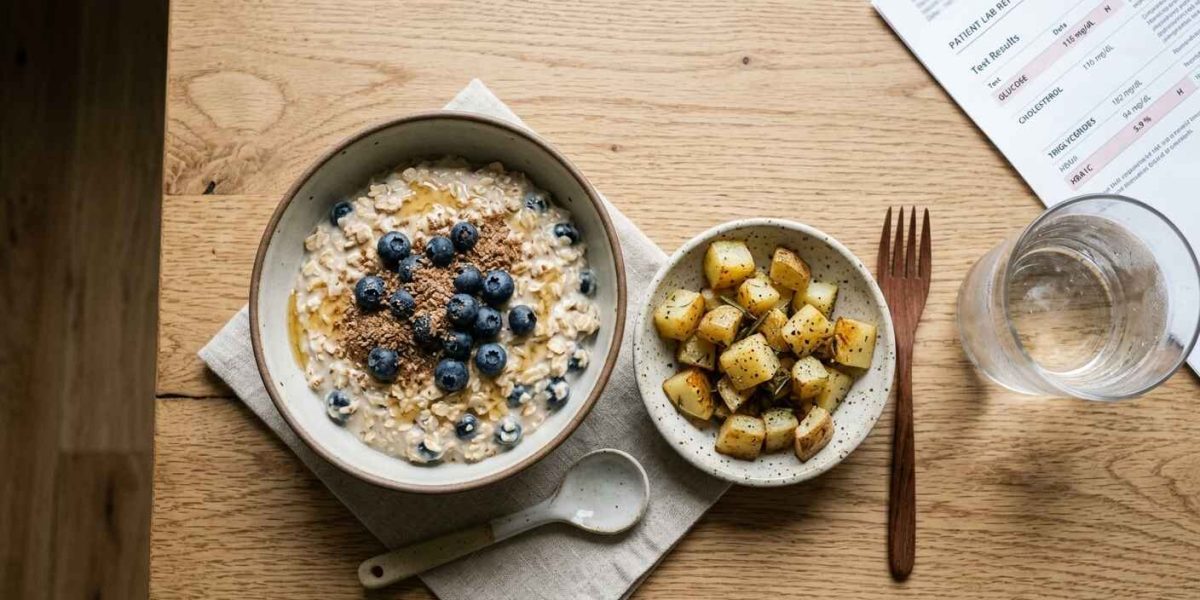
- Oats, especially overnight oats, for beta-glucan fiber.
- Cooked and cooled potatoes or rice for resistant starch. Eat within a day or freeze portions, because cooked food gains histamine in the fridge.
- Ground flaxseed, in small amounts, for fiber and polyphenols.
- Blueberries and other tolerated low histamine fruit (strawberries and raspberries are liberators) for polyphenols that feed beneficial bacteria.
- Carrots, zucchini, sweet potato, pumpkin and green beans for gentle fiber.
- Extra virgin olive oil for polyphenols with prebiotic-like effects.
Variety matters as much as quantity. The American Gut Project found that people who ate more than 30 different plant types a week had more diverse gut microbiomes than those eating 10 or fewer. Herbs, spices, seeds and grains all count. Our histamine intolerance food list helps you find plant foods that are low in histamine.
Gentle fiber supplements. If food alone is not enough, slowly fermenting soluble fibers are the easiest to tolerate. Acacia fiber ferments very slowly and is usually the gentlest starting point. Partially hydrolyzed guar gum (PHGG) is a common next step; a 2010 clinical trial found that adding it to rifaximin improved SIBO eradication rates compared with rifaximin alone. Rapidly fermented fibers such as inulin and FOS are more likely to cause bloating in sensitive people.
Step Two, Go Slowly With Fiber
The IBS research adds an important twist. In mice, fewer fermentable carbohydrates meant less bacterial histamine. That does not mean fiber is bad. It means type, amount and pace matter. A disrupted gut that suddenly receives a lot of rapidly fermenting fiber may produce gas, bloating and more symptoms before it improves.
A practical approach:
- If bloating is severe, consider a short low-FODMAP style phase of two to four weeks with your dietitian.
- Then add one gentle fiber at a time, starting with a fraction of a normal serving.
- Hold each level for several days before increasing.
- Step back if bloating or histamine symptoms clearly worsen.
- Keep going for months. Shifts in the microbiome happen over months, not days.
Our article on histamine intolerance bloating covers how to tell histamine-related bloating from other causes.
Step Three, Balance Protein With Plant Fiber
Histamine is made from protein. When protein intake is very high and fiber intake is low, more undigested protein reaches the colon, where bacteria ferment it into histamine and other by-products. You do not need a low protein diet. The goal is balance: pair protein-rich meals with vegetables, grains or starches, and avoid long stretches of very high protein, very low fiber eating, such as strict carnivore or keto approaches, unless your doctor has a specific reason for them.
Freshness matters for protein too. Fresh or promptly frozen meat, and fish that is very fresh or frozen at sea, contain far less histamine than meat that has been aged, cured, slow-cooked for hours or stored for days.
Step Four, Choose Probiotics by Strain
Probiotics are not automatically helpful for histamine. Some strains produce histamine, some are considered neutral and some may help degrade it. If you want to try one:
- Read strain names, not just species. Look for strains generally regarded as not producing histamine.
- Avoid products built around strains known to produce histamine.
- Start with a very small dose, even a pinch of powder, and increase slowly.
- Give it at least two to three weeks before judging, and stop if symptoms clearly worsen.
Many people find prebiotic fibers more useful than probiotics over the long term, because most probiotic strains pass through within a couple of weeks while fiber changes the conditions for your own resident bacteria. Our guide to the best probiotics for histamine intolerance 2026 lists strains that tend to be better tolerated.
Step Five, Treat the Root Causes
Diet changes work best when the underlying drivers are addressed too. Work with your doctor on:
- SIBO. If bloating starts soon after meals, with belching or alternating bowel habits, a breath test can check for small intestinal bacterial overgrowth. Treating it reduces bacterial histamine where DAO is produced. Our guide to sibo histamine intolerance explains the connection.
- Acid suppression. Long-term proton pump inhibitors are a recognized risk factor for SIBO. Never stop them on your own, but ask whether you still need them and at what dose.
- Slow motility. Constipation and slow transit give bacteria more time to multiply. Treating constipation properly often helps more than any supplement.
- Stress and sleep. Both affect gut motility and the immune system. A consistent sleep routine and stress management are not soft extras here.
What About Antimicrobials?
Herbal antimicrobials such as berberine, oregano oil, allicin or caprylic acid, and prescription antibiotics such as rifaximin, are sometimes used to reduce specific bacteria. There are real limits:
- Evidence specifically for reducing histamine-producing bacteria is limited.
- They affect beneficial bacteria too, which can worsen the imbalance you are trying to fix.
- Some sensitive people react strongly, with insomnia, headaches, nausea or a histamine flare.
- Without changes to diet and root causes, overgrowth often returns.
If you use them, do so with a practitioner who can define a clear target, monitor your response and plan how to rebuild the microbiome afterwards. Stop and contact them if you react badly.
Reading a Stool Test Sensibly
Comprehensive stool tests use DNA-based methods to estimate many bacteria at once. Some reports flag organisms as dysbiotic or note histamine production. Keep these limits in mind:
- Presence is not activity. DNA shows a bacterium is there, not that it is making histamine right now.
- Strain matters. Most tests report at genus or species level, so they cannot tell you whether your particular Klebsiella carries the HDC enzyme.
- Cut-offs vary. There is no validated threshold that predicts histamine symptoms.
- Common residents get flagged. Enterococcus, Enterobacter and Staphylococcus appear in healthy people at low levels.
- One sample is one snapshot. The microbiome changes with diet, illness and medication.
If you decide to retest, use the same lab and, where possible, a similar diet in the days before collection. Results from different labs are not directly comparable because methods and reference ranges differ.
A test is most useful for spotting large imbalances: several clearly elevated histamine-capable bacteria together with low butyrate producers and symptoms that fit. It is also useful for retesting after several months to see whether your changes are working. A serum DAO test can add context; our guide to low dao levels what does a low dao blood test mean explains how to read it.
Do not self-treat a pathogen result. If a stool test flags Clostridioides difficile toxins, Salmonella or parasites, or if you have blood in your stool, unexplained weight loss, fever or severe diarrhea, see a doctor. These need medical diagnosis and treatment, not a histamine protocol.
Managing Symptoms While the Balance Shifts
Rebalancing gut bacteria takes months. In the meantime, the usual histamine tools keep symptoms manageable and make the process easier to stick with:
- A short-term lower histamine diet to reduce total load.
- A DAO supplement before meals with moderate histamine.
- Antihistamines when needed, discussed with your doctor.
- Fresh cooking and prompt freezing of leftovers.
Our overview of histamine treatment options compares these approaches side by side.
Signs the Balance Is Shifting
You will rarely feel a single moment when the microbiome changes. Instead, small signals add up over weeks and months. These are the ones people most often notice:
- Bloating after meals becomes less frequent or less severe.
- Bowel movements become more regular and better formed.
- Gas becomes milder and less unpleasant.
- Moderate histamine foods that used to cause reactions are tolerated in small portions.
- Post-meal fatigue and brain fog ease.
- Sleep improves, with fewer night-time palpitations or early waking.
A simple weekly note of these points is more reliable than memory, which tends to remember the worst days. If nothing has changed after three months of consistent effort, it is worth revisiting the plan with your practitioner, checking for SIBO or other root causes, and making sure hidden histamine sources or DAO-blocking medications are not undermining your progress.
A Realistic Timeline
People who report success with this approach rarely describe quick fixes. A realistic expectation looks like this: some symptom relief within weeks from lowering histamine load, gradual digestive improvement over two to three months as fiber intake increases, and broader improvement in food tolerance over six months to a year. Recurrences can happen after another antibiotic course, a gut infection or a stressful period, but each time the foundation of a well-fed, diverse microbiome makes recovery easier.
When to See a Doctor
Call emergency services straight away if a reaction includes swelling of the lips, tongue or throat, trouble breathing or wheezing, or feeling faint. These are signs of anaphylaxis, which needs an adrenaline (epinephrine) injection, not a diet change.
See your doctor for blood in your stool, unexplained weight loss, ongoing diarrhoea or severe abdominal pain. If you are pregnant or breastfeeding, or take medicines that can affect DAO (such as some antibiotics, antidepressants, painkillers and heart medicines), talk to your doctor before changing your diet or adding supplements.
Your questions on gut bacteria and histamine
How can I reduce histamine producing bacteria naturally?
Gradually increase a variety of tolerated plant fibers to support butyrate-producing bacteria, balance protein with fiber, choose probiotics by strain, and work with your doctor on root causes such as SIBO, low stomach acid or slow motility. Changes usually take months.
Which bacteria produce histamine in the gut?
Examples include Morganella morganii, some Klebsiella, Enterobacter and Proteus species, Clostridium perfringens, Enterococcus faecalis, Staphylococcus and certain Lactobacillus strains. Histamine production depends on the specific strain.
Can diet reduce histamine producing bacteria?
Diet is one of the strongest influences on the gut microbiome. Fiber that feeds butyrate producers helps them crowd out opportunistic bacteria, while very high protein, low fiber diets tend to favor protein-fermenting species. Introduce fiber slowly if your gut is sensitive.
Do I need antimicrobials to get rid of histamine producing bacteria?
Not usually as a first step. Antimicrobials also affect beneficial bacteria and can cause reactions in sensitive people. They may have a role for specific problems such as SIBO, but they work best with professional guidance and a plan to rebuild the microbiome afterwards.
Does a high Klebsiella result mean it is causing my symptoms?
Not necessarily. Stool tests detect bacterial DNA, not active histamine production, and only some strains produce large amounts. A high result is a clue to discuss with a clinician, not a diagnosis.
Medical disclaimer: This content is for informational purposes only and does not constitute medical advice. Always consult a qualified healthcare provider before starting any supplement regimen.
→ Try the Histamine Load Calculator — find out if your daily food choices are pushing you over your histamine threshold.
→ Not sure if you have histamine intolerance? Take the free 15-question quiz — personalised score and next steps in 3 minutes.
→ Ready to start? Use the 4-Week Elimination Diet Planner — interactive daily tasks with progress tracking.
→ Not sure if it is histamine intolerance or food allergy? Try the comparison tool — instant pattern analysis from your symptoms.